⚕ East Africa's surgical companion

Know your surgery.
Before and after.

Trusted surgical education for patients, families, and caregivers — in English, Amharic, and Afaan Oromo.

💡
Today's tip
Fasting before surgery: do not eat or drink for at least 6–8 hours. This reduces your risk of complications during anaesthesia.
🤖
SurgiGuide AI
Powered by Claude
Hello! I'm SurgiGuide AI. Ask me anything about your surgery — fasting, recovery, wound care, pain management, or what happens in theatre. I'm here to help.
Now
Unable to reach SurgiGuide AI. Please check your connection and try again.
⚕ General information only — always follow your surgeon's specific instructions
How are you feeling after your surgery?
😊Mild discomfort — manageable pain, wound looks clean and dry
🌡️Fever, chills, or feeling generally unwell
😟Increasing pain, redness, or swelling at the wound site
⚠️Severe pain, heavy bleeding, difficulty breathing, or chest pain
💧Wound opening, pus, or foul-smelling discharge
✓ Recovery appears on track

Your symptoms are consistent with normal post-operative recovery. Continue following your discharge instructions, take prescribed medications, and attend your follow-up appointment as scheduled.

⚠ Contact your surgeon today

Fever after surgery may indicate infection. Call your surgeon or clinic today. Keep hydrated and monitor your temperature. Do not wait for your scheduled appointment if symptoms worsen.

⚠ See your surgeon soon

Worsening pain or wound changes can be early signs of infection or delayed healing. Call your clinic today. Cover the wound with a clean dry dressing in the meantime.

🚨 Go to emergency now

Your symptoms may indicate a serious complication. Go to the nearest emergency department immediately. Bring your discharge summary and medication list. Do not wait.

🚨 Wound complication — see a doctor today

Signs of wound breakdown or infection require urgent assessment. Go to your surgeon or the nearest hospital today. Cover the wound with a clean dry dressing.
This tool does not replace professional medical advice. Always follow your surgeon's instructions.
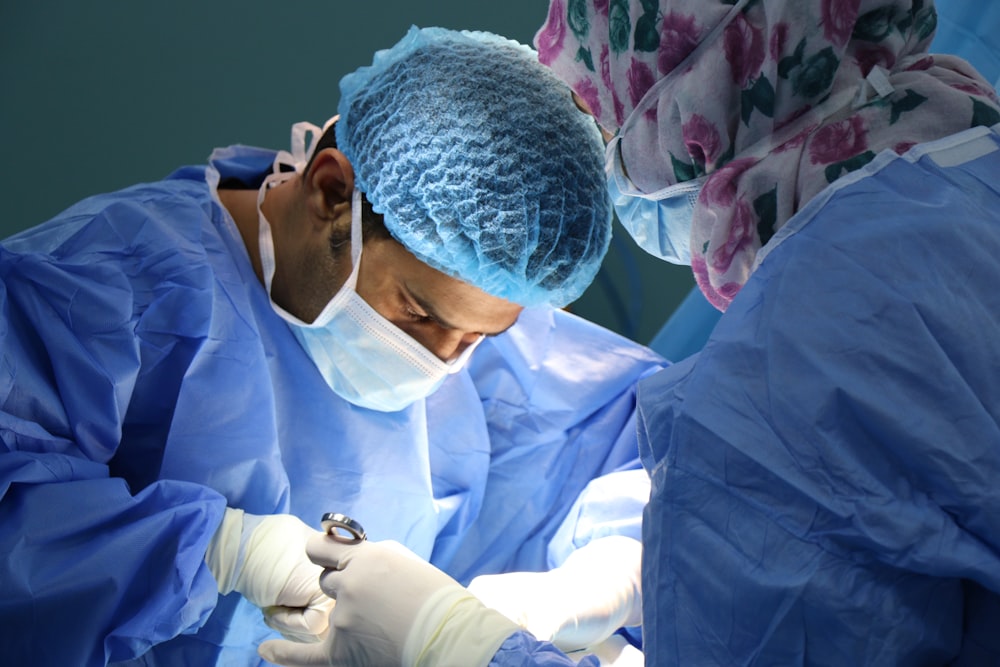
Operating room

Inside the operating room

Understanding what happens in theatre reduces anxiety and helps you prepare. Here is your surgical team and how they keep you safe.


Surgeon
Surgeon
Leads the procedure. Responsible for all surgical decisions, technique, and your overall surgical care.
Anaesthesiologist
Anaesthesiologist
Administers anaesthesia and monitors your breathing, heart rate, and blood pressure throughout the entire operation.
Scrub nurse
Scrub nurse
Works at the sterile field, passing instruments. Counts all tools before and after surgery to ensure nothing is left inside.
Circulating nurse
Circulating nurse
Manages the OR environment — supplies, documentation, and communication between the sterile team and outside.
ODP Technician
ODP / Technician
Operates monitoring equipment and assists the anaesthesiologist with equipment, drugs, and patient positioning.
How we keep you safe — WHO Surgical Safety Checklist
1
WHO Surgical Safety Checklist
Completed before, during, and after every operation at three mandatory pause points. Prevents wrong-site surgery, retained instruments, and medication errors.
2
Patient identity verification
Your name, date of birth, and the exact procedure are confirmed at least three times by different team members before a single incision is made.
3
Sterile technique
All instruments are sterilised and the surgical field is rigorously maintained free of contamination to prevent post-operative infection.
4
Instrument and sponge count
Every item — scalpels, forceps, swabs, needles — is counted before surgery begins and again before the wound is closed. Discrepancies halt closure until resolved.
5
Continuous monitoring
Heart rate, oxygen saturation, blood pressure, temperature, and anaesthesia depth are monitored and recorded continuously from the moment you enter theatre.
6
Antibiotic prophylaxis
Antibiotics are administered within 60 minutes before incision for procedures where infection risk is significant, significantly reducing post-operative wound infection rates.